



What to know before buying your first car
By Thinuri Attanayake - Wednesday, 1 April 2026

Purchasing your first car is an exciting milestone, but it can also be overwhelming, especially for first-time buyers. Several factors need to be considered to ensure that your purchase aligns with your needs, budget, and lifestyle. Here’s a comprehensive guide to help you make an informed decision.
Budget and Financing
Determine Your Budget
Before you start shopping, assess your budget. Consider not only the purchase price of the car, but also additional costs such as insurance, registration, fuel, maintenance (servicing your car yearly), and how you will buy the car. You can purchase the car outright with cash, or choose to make manageable weekly payments through a loan. It’s important to have a clear understanding of what fits comfortably within your budget.
Financing Options
If you need to finance your car, explore the various options available:
- Personal Loans: Banks and credit unions offer personal loans, which can be an advantageous option for those with a solid credit history. However, the approval process can be lengthy, and lenders typically consider various factors, making it more challenging for younger borrowers, such as those aged 18 or 19, who may not have stable full-time employment. As a result, obtaining a personal loan can be more difficult for first-time car buyers.
- Dealer Financing: Most dealerships have business managers who offer financing options. Because they work with a wide network of lenders, they may have more flexibility in helping you secure approval compared to applying for a personal loan directly. This allows them to match you with a suitable lender based on your individual financial situation. This can be especially helpful for first-time borrowers who may not have an extensive credit history or long-term employment.
If you’re exploring different financing routes, platforms like MyMoto can help simplify the process. Whether you need a car for everyday errands like grocery runs or school drop-offs, or for business use, MyMoto connects you with a wide panel of lenders offering a range of car finance options.
You can also use the MyMoto car loan calculator to estimate your repayments and explore vehicles that fit comfortably within your budget.
2. New vs. Used
New Cars
Buying a new car gives you access to the latest features, full warranty coverage, and the reassurance of reliability. One of the biggest advantages over a used car is that you are the first owner and driver, meaning the vehicle hasn’t experienced years of prior wear and tear. You also have the freedom to choose the colour, features, and specifications, allowing you to customize the car to suit your preferences.
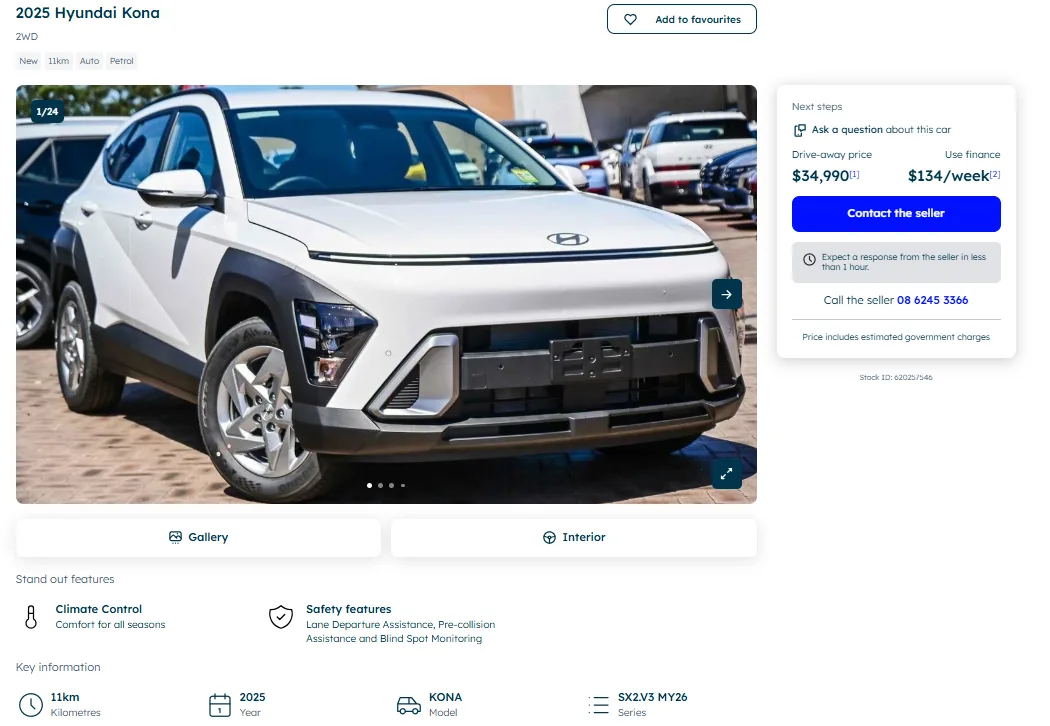
You may have heard of “demo cars.” These are new vehicles that dealerships register and use for test drives or demonstrations. Although they have not been owned by a customer, they may have been driven by staff or potential buyers. Manufacturers encourage dealerships to have vehicles available so customers can experience the range firsthand.
Demo cars are often available for sale and can sometimes be more affordable. This is because they have been driven typically anywhere from around 150 km to 5,000 km, but not previously owned. However, the main drawback is that you cannot choose the colour, trim, or additional features, as the vehicle is sold exactly as it is.
Used Cars
Used cars can often be more affordable than buying new, and they may allow you to choose a higher-spec model than you could otherwise afford. However, it’s important to carefully check the car’s history, condition, and service records before making a decision.
Unlike new cars, no two used cars are exactly the same. New car models start at the same base price (before optional extras) because they have not been driven. Used cars, on the other hand, have already been owned and driven, which means factors such as age, condition, and kilometres travelled all influence the price.
The number of kilometres driven is one of the biggest indicators of a used car’s condition and market value. As a general rule of thumb, most drivers average between 15,000 km and 20,000 km per year. This can be a helpful guide when evaluating whether a car has been driven more or less than expected for its age.
If a used car has significantly higher kilometres than average for its age, it should generally be priced lower than similar vehicles on the market. Of course, other factors can also influence the price, such as added accessories or modifications. For example bull bars, tow bars, roof racks, alloy wheels, upgraded exhaust systems, or engine performance modifications.
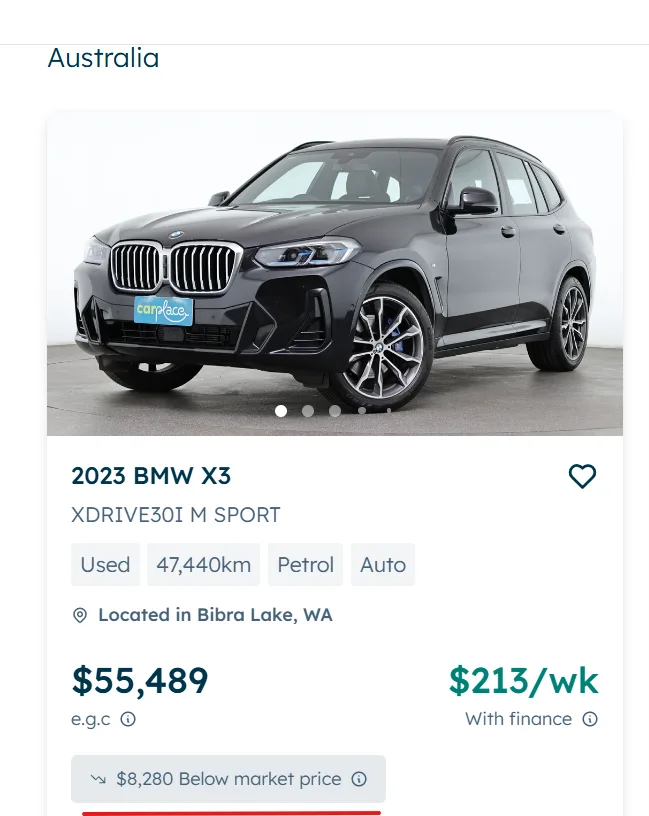
On MyMoto, we make it easier to identify a good deal by showing whether a vehicle is priced below the average market price. When browsing our stock search, simply look out for the indicator shown in the thumbnail above.
For used cars that are not private sales, it’s also a good idea to consider getting a mechanical inspection before purchase. While dealerships are generally required to inspect used vehicles before listing them for sale, an additional independent inspection can provide extra peace of mind.
3. Understanding Your Needs
Purpose of the Car
Before choosing a car, think about how you plan to use it. Will it mainly be for commuting, weekend getaways, or long road trips? If it’s a second car, fuel efficiency may be your main priority. You may also want to consider whether an electric or hybrid vehicle would suit your lifestyle.
Practical needs are also important. For example, do you need five seats or seven seats? Will you need space for baby seats in the rear? Are you planning to tow a trailer or caravan? These factors can help determine the type of vehicle that will work best for you.

Cars come in many different body styles, including sedans, SUVs, 4x4s, commercial vehicles, hybrids, and electric vehicles. Thinking about your day-to-day needs will help you narrow down the right option.
Most car listing websites make this process easier by offering search filters. These allow you to refine your search by criteria such as the car’s age, kilometres driven, number of seats, transmission type (automatic or manual), price range, and body style. Using these filters can help you quickly find vehicles that match your lifestyle and budget.
Fuel Efficiency
Fuel prices can fluctuate significantly in Australia, making fuel efficiency a vital consideration. Look for cars with good fuel economy ratings to save on ongoing costs.
4. Research and Test Drive
Research
Conduct thorough research on different car models that fit your budget and needs. Look for reviews, reliability ratings, and owner experiences, especially for models popular in Australia.
When it comes to purchasing a car, consider the two main options: buying from a dealership or buying privately. Purchasing from a dealership offers several advantages, including greater security and the assurance that vehicles meet certain standards. Dealerships typically conduct thorough inspections and offer guarantees on their cars, which can provide peace of mind for first-time owners.
In contrast, buying a car privately may not offer the same level of assurance. There is often no guarantee regarding the vehicle's condition, so it is important to exercise caution. For first-time car owners, buying from a dealership may be the better option, as it ensures that the vehicle has been checked and comes with some form of warranty.
When buying a used car, researching the vehicle’s history is an important step.
On mymoto.com.au, customers can access a free car history check for any vehicle listed on the site through the Mymoto Facts – Car Analysis Check. This feature helps you understand the background of the vehicle before making a purchase.
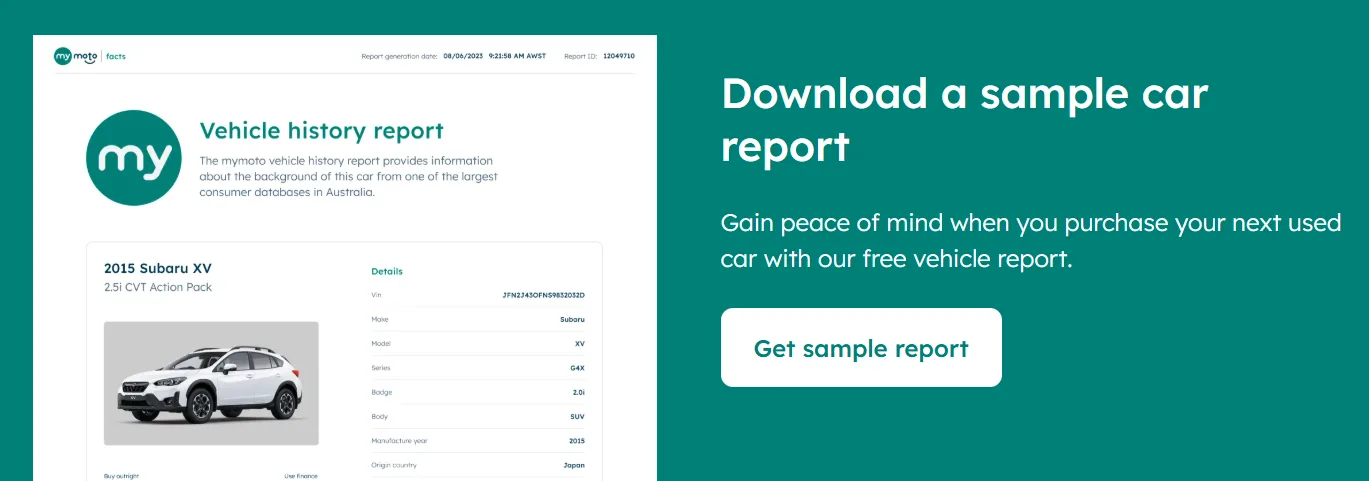
The history check can reveal important information, such as whether the car has been involved in a crash, had any odometer tampering, or has outstanding finance owing on it. Having access to this information helps you make a more informed decision and gives you greater confidence in what you are buying.
Always test drive the cars you are considering. Pay attention to comfort, visibility, and handling. Testing multiple vehicles can help you make a more informed choice.
Buying your first car in Australia is a significant decision that requires careful consideration of various factors, from budget and financing to vehicle needs and ongoing costs. By following these guidelines, you can ensure that you make a well-informed choice that serves you well for years to come.
If you’re unsure where to start, some reliable and popular options for first-time buyers include the Toyota Yaris, Hyundai i20, Toyota Corolla, and Ford Fiesta. These cars are known for being affordable, fuel-efficient, and easy to drive—making them great choices for new drivers.
You can also read our blog on recommended first-time cars to explore more options and find the right fit for you. Happy car shopping!
Articles you might like